"No more AI": Elon Musk Wants to Rename AI "SI"
Three lines, two letters, and zero explanation: the xAI boss proposes dropping "artificial intelligence" from the vocabulary.
In brief
In an October 4, 2026 tweet, Elon Musk wrote "No more AI. SI. It's better," without specifying what this "SI" actually covers. The message is just seven words long, but it touches on a very real battle: the one over the words used to sell, fund, and regulate technology.
🍺 Bar-stool version
Elon looked at the AI industry, its billions, its data centers the size of counties, and found the real problem: the name. So we're swapping "AI" for "SI," without saying what it means, which is a pretty efficient way to kick off a debate. It's a bit like repainting the car so it goes faster: it doesn't work, but everyone stares at the car. And in a race where everyone's promising "superintelligence," whoever controls the word gets to control a bit of the idea too.
Key takeaways
- 1
On October 4, 2026, Elon Musk posts a three-line message on X: "No more AI," "SI," "It's better."
- 2
The tweet doesn't specify what "SI" means: superintelligence, synthetic intelligence, or something else — the source leaves the question open.
- 3
Musk has direct skin in the game: he runs xAI, which develops the Grok chatbot, and owns X, the platform where he posted the message.
- 4
The term "superintelligence" is already central to the discourse of several players, from Sam Altman at OpenAI to Meta's Superintelligence Labs.
- 5
Dropping the word "artificial" amounts to presenting the technology as an intelligence in its own right rather than an imitation.
- 6
No concrete element accompanies the proposal: no product, no announcement, no definition.
What the tweet says
The message is minimalist: "No more AI," then "SI," then "It's better." No link, no context, no explanatory thread.
Elon Musk proposes dropping the acronym AI (artificial intelligence) in favor of a new acronym, SI. The verdict is limited to "it's better," with no argument.
As is often the case with Musk, the brevity is part of the design: the tweet leaves readers to fill in the blanks, which guarantees it spreads.
Two possible readings of "SI"
The most obvious reading is "superintelligence," meaning an intelligence that would surpass humans in most domains. That would be consistent with the discourse of an industry that has largely shifted from AGI to superintelligence as its stated horizon.
Another possible reading is "synthetic intelligence": you keep the idea of a manufactured intelligence, but drop the word "artificial," seen as pejorative since it evokes the fake or the imitation.
The tweet doesn't settle the matter. Any interpretation remains a hypothesis, and that's exactly what fuels the responses.
Why words matter in the AI race
Vocabulary isn't neutral in this field. Terms like "AGI" or "superintelligence" serve to raise funds, recruit talent, justify massive infrastructure investments, and frame regulatory debates.
Whoever controls the word also controls part of the narrative. Sam Altman has been talking about superintelligence for years, Meta named an entire division after the term: Musk, with xAI and Grok, has every interest in not ceding this semantic ground to his competitors.
Dropping "artificial" also changes public perception: an "artificial" intelligence remains a tool, while a "superintelligence" or a "synthetic" intelligence looks more like an entity.
The limits of the exercise
A name change doesn't alter the capabilities or limitations of the models. The systems stay the same, whether you call them AI or SI.
The acronym "AI" has, moreover, been established since the Dartmouth conference in 1956, and is embedded in common usage, legal texts, and trademarks. Replacing it would take a lot more than a tweet.
It remains to be seen whether this proposal will have any follow-through at xAI, in Grok's communications, or in the group's products. As it stands, it's a lexical provocation, not an announcement.
“No more AI”
“SI”
“It's better”
Why it matters
This tweet contains no technical information whatsoever, and yet it says something about the state of the industry: the AI battle is also being fought on the terrain of language. Talking about "superintelligence" rather than "artificial intelligence" shifts the baseline of expectations, promises, and fears, with very concrete consequences for valuations and regulation. When it's the head of one of the labs in the race proposing it, it should be read as a positioning move as much as a semantic reflection. The critical angle is unavoidable: renaming a technology to make it sound more impressive, without definition or demonstration, is more marketing than science, and it helps muddy a public debate that already lacks precise words.
For you
Put it to work on your sources.
Free: a month of articles and three sources of your own. Pro: the whole archive and your sources, from €8/month.
For your team
The same machine, on your topics.
A space in your colours, your watch angles, your curators. Pilot open to three companies.
Read next
 #safetyToday
Sam Altman Defends His Middle Path Between AI Catastrophe and Monopoly
In the second part of his interview with Vanity Fair, the OpenAI chief justifies holding back a model, downplays the deal signed with Trump, and accepts that open source will cause serious incidents.
Source · Vanity Fair · Sam Altman Talks Donald Trump, Xi Jinping, and the Risk of Extinction
 #nvidiaToday
North 2: Cohere Wants to Reconcile AI Agents, Security, and Cost Control
With North 2, Cohere promises regulated enterprises an agentic platform that runs where their data lives, without trading off intelligence, security, or budget.
Source · Blog de Cohere · North 2: Enterprise AI Without Compromises
 #safetyToday
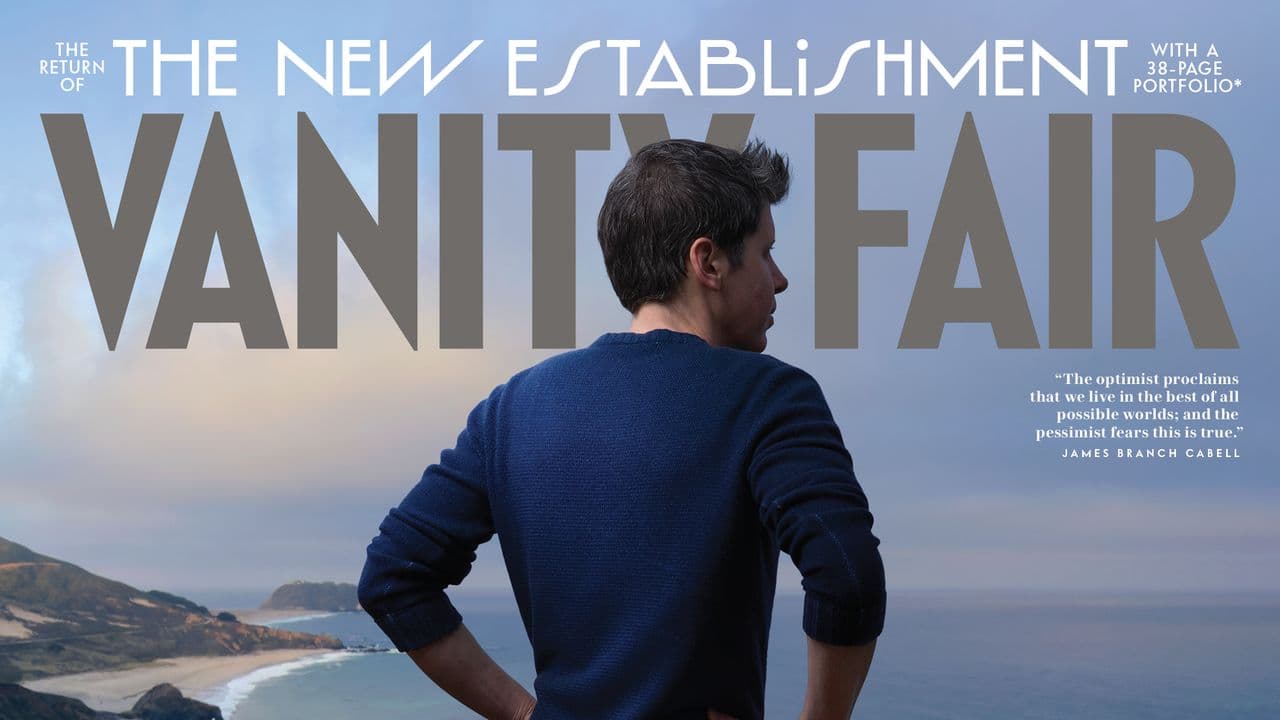
Sam Altman at Vanity Fair: the pause, the IPO, Musk, and the regret of not being rich
In a long video interview, the OpenAI boss talks about pausing training, the company's IPO, Elon Musk, suicide, and the film that portrays him.
Source · Vanity Fair · Sam Altman Talks Elon Musk, 'Artificial,' and the Future of Humanity