#MeToo Down Under: 35 Australian Women Rewrite the Rules of Speaking Out
A new anthology dissects the movement’s impact in Australia—where defamation lawsuits, media scrutiny, and cultural backlash still silence women.
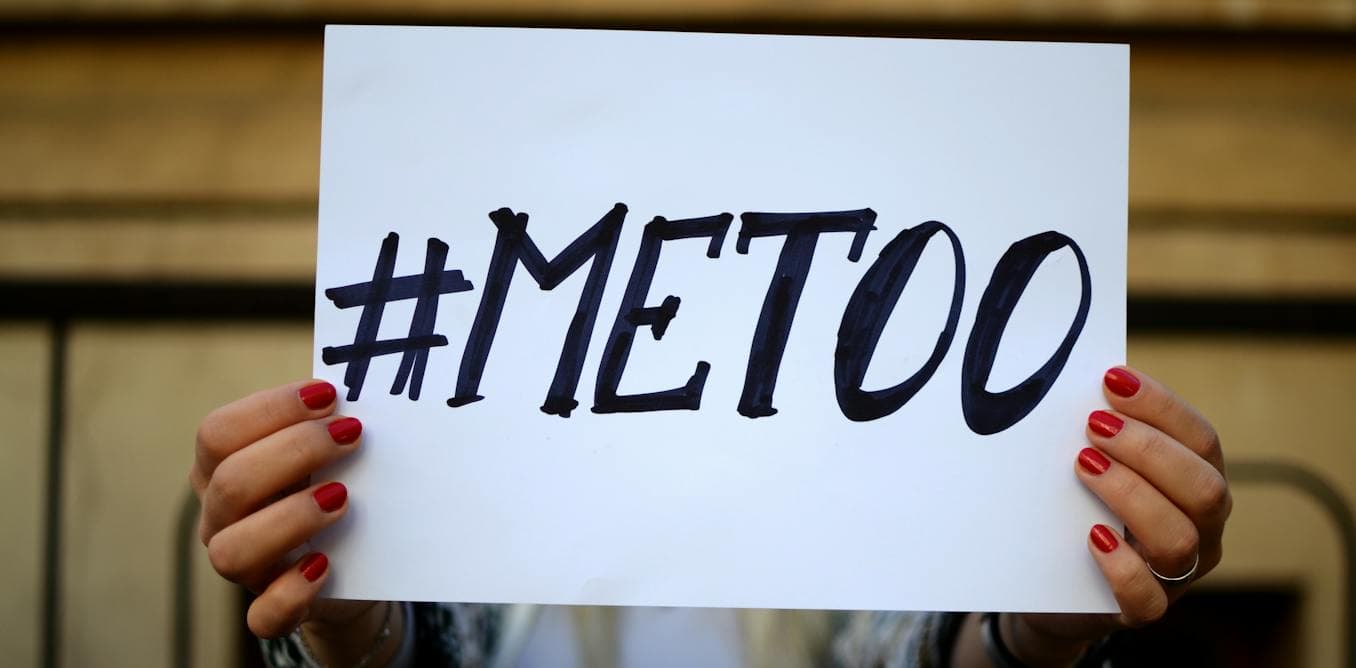
#MeToo: Stories from the Australian Movement
Natalie Kon-yu, Christie Nieman, Maggie Scott, Miriam Sved
- Publisher
- Picador
- Recommended via
- The Conversation
In brief
Edited by Natalie Kon-yu, Christie Nieman, Maggie Scott, and Miriam Sved, *#MeToo: Stories from the Australian Movement* gathers 35 contributors to examine how the movement reshaped conversations about sexual assault, harassment, and power in Australia. The book exposes the legal and cultural barriers women face when speaking out—from defamation threats to media vilification—and highlights the double binds for women of colour and Indigenous voices. It’s not just about individual stories; it’s about the systemic structures that enable abuse and the cost of challenging them. A raw, necessary read for understanding why #MeToo’s work is far from over.
🍺 Bar-stool version
So, 35 Aussie women sit down to write about #MeToo, and what do they get? A book that’s basically a middle finger to the idea that ‘just speak up’ is enough. Because let’s be real: if you’re a woman in Australia (or anywhere, really), speaking out means risking your reputation, your career, or worse—being dragged through the mud by a legal system that’s more interested in protecting powerful men than listening to victims. The book’s got everything: graphic essays about smashing the patriarchy (spoiler: it’s not as easy as taking an axe to a statue), Indigenous women calling out the ‘pornographic’ way their trauma gets sensationalised, and even a deep dive into why wives of accused men get stuck playing damage control. Oh, and let’s not forget the defamation lawsuits—because nothing says ‘justice’ like a wealthy bloke suing a woman for daring to tell her story. The kicker? The editors don’t pretend this is a feel-good collection. It’s messy, uncomfortable, and exactly why we still need to talk about this. Because if #MeToo taught us anything, it’s that the system isn’t broken—it’s working exactly as designed. And that’s why this book matters.
Key takeaways
- 1
The anthology features 35 Australian women—writers, artists, and activists—exploring #MeToo through essays, personal stories, poetry, and graphic art.
- 2
It challenges the line between ‘a bit of fun’ and harassment, framing these behaviours through women’s lived experiences rather than legal or media narratives.
- 3
Contributors like Kath Kenny and Alison Croggon dissect how defamation lawsuits and media scrutiny silence women, with powerful men often weaponising the legal system to protect their reputations.
- 4
Women of colour and Indigenous writers, including Shakira Hussein and Eugenia Flynn, highlight the ‘double-bind’ of fighting sexism while being used to stigmatise their communities.
- 5
The book critiques the ‘individualised’ approach to #MeToo stories, arguing they fail to address the systemic structures that enable abuse.
- 6
Domestic violence in rural areas, online misogyny, and the male-dominated world of AFL are among the specific contexts explored.
- 7
The editors argue that relying on men to change the world is futile—women must lead the charge, even as backlash intensifies.
Why it matters
This anthology isn’t just a collection of stories—it’s a forensic examination of why #MeToo, despite its global impact, has struggled to shift the dial in Australia. The book lays bare the structural barriers that make speaking out a high-risk endeavour: a legal system that favours defamation claims over survivors, a media landscape that frames women as victims rather than experts, and cultural norms that still treat harassment as ‘a bit of fun’. What sets this work apart is its refusal to flatten the movement into a single narrative. By centring Indigenous voices, women of colour, and rural experiences, it exposes how race, class, and geography intersect with gender to shape who gets heard—and who gets silenced. The anthology also serves as a warning: the backlash isn’t just coming; it’s already here. For anyone who thinks #MeToo was a moment rather than a movement, this book is a stark reminder that the fight for accountability is far from over.
Free account
You just read an AI Sources article
Create a free account: a month of archives in full, your own sources summed up like this one, your notes and highlights.
For you
Put it to work on your sources.
Free: a month of articles and three sources of your own. Pro: the whole archive and your sources, from €8/month.
For your team
The same machine, on your topics.
A space in your colours, your watch angles, your curators. Pilot open to three companies.